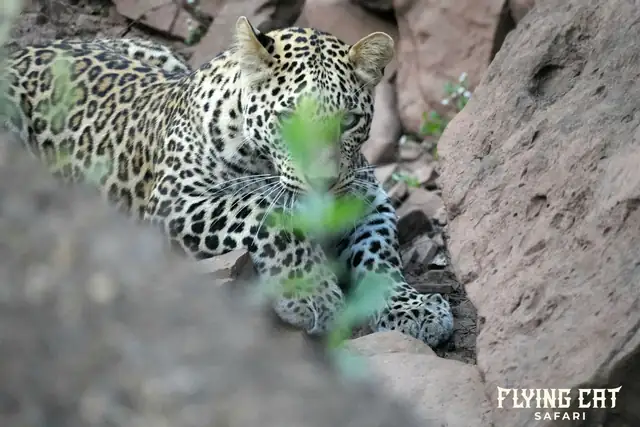
Kuno National Park
The only place in India where you can look for free-ranging cheetahs, in open grassland along the Kuno river.
- Established
- 1981 (sanctuary) · 2018 (national park)
- Area
- About 748 km² (national park)
- District
- Sheopur
- Safari gates
- Tiktoli · Ahera · Peepal Bawadi
- Season
- October to June
- Nearest cities
- Gwalior; transfers from Jaipur & Ranthambore
How the park came to be
Kuno began as a wildlife sanctuary in 1981 in the Sheopur district of north-western Madhya Pradesh. In the 1990s it was chosen as a possible second home for the Asiatic lion, and villages inside the core were resettled to free up habitat.
It was upgraded to a national park in 2018. On 17 September 2022 Kuno became the site of Project Cheetah, the world's first intercontinental translocation of wild cheetahs: eight arrived from Namibia, followed by twelve from South Africa in February 2023. Cubs have since been born here, the first cheetahs born on Indian soil in about seven decades.
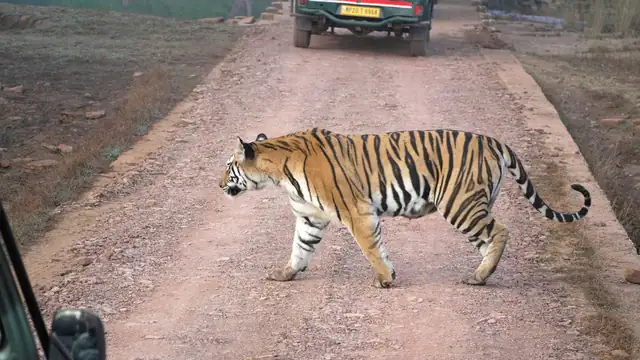
Forest & landscape
Dry deciduous forest of kardhai, khair, salai and tendu, broken by wide grassland patches, the reason cheetahs were brought here. The Kuno river runs the length of the park, with pools that draw animals through summer.
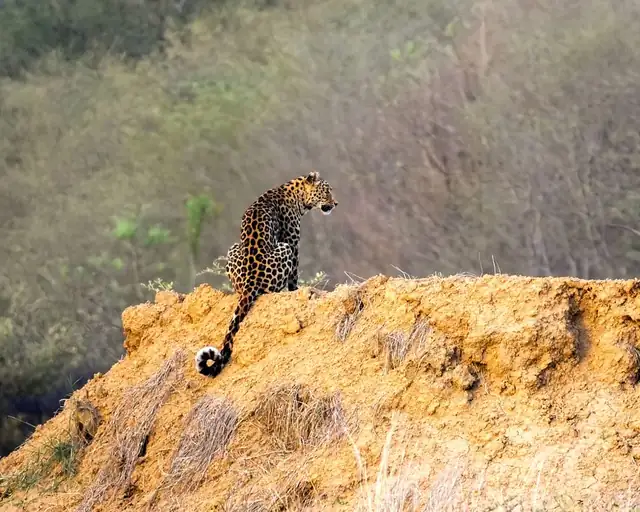
Wildlife you can see
- Cheetah
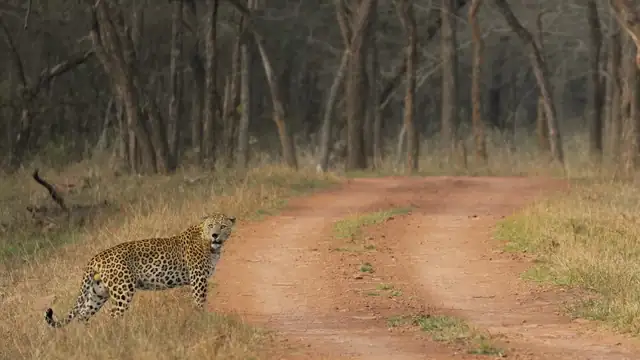
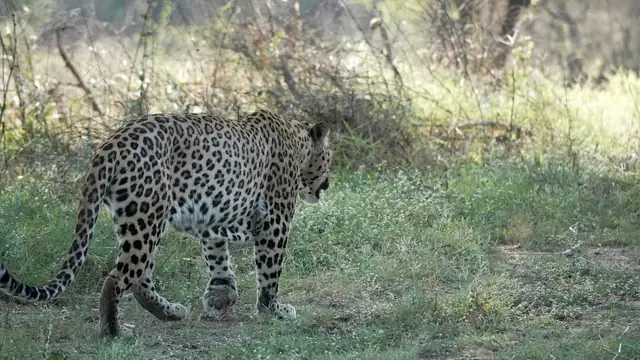
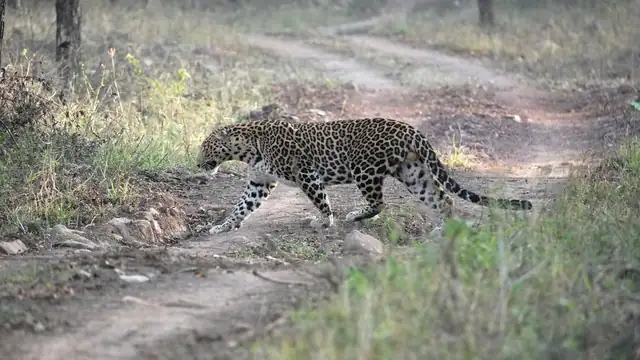
- Leopard
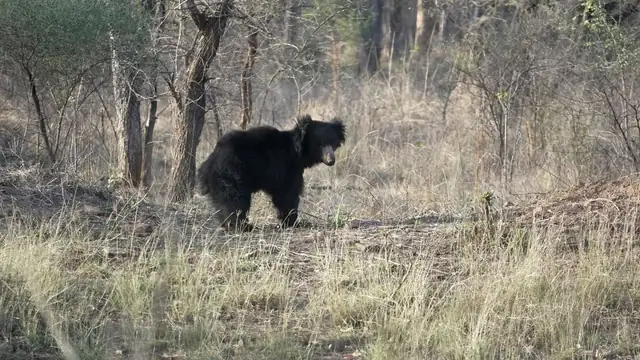
- Sloth bear
- Striped hyena
- Indian wolf
- Golden jackal
- Chital
- Sambar
- Nilgai
- Chinkara
- Chausingha (four-horned antelope)
- Blackbuck
- Mugger crocodile
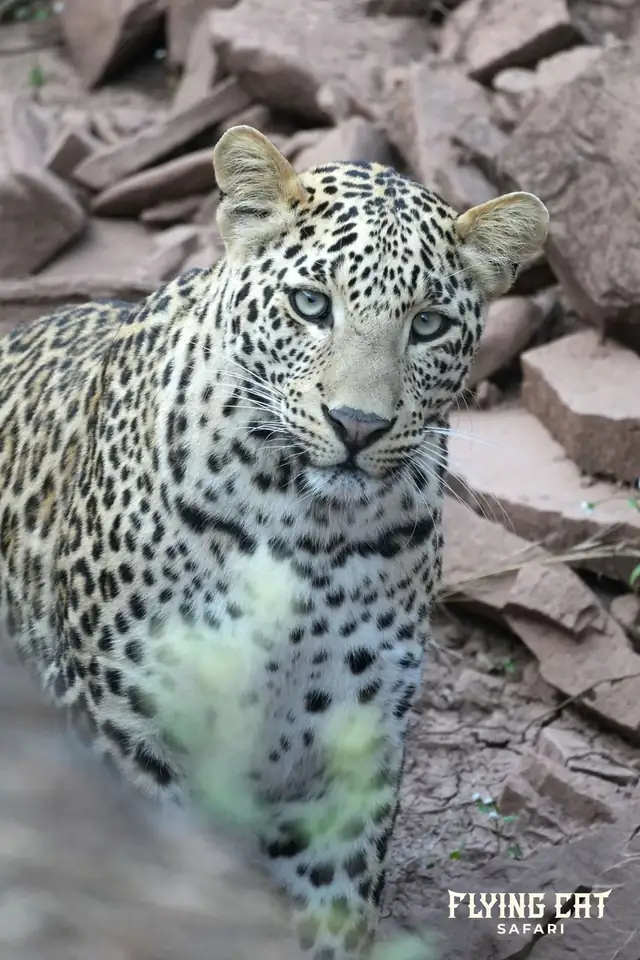
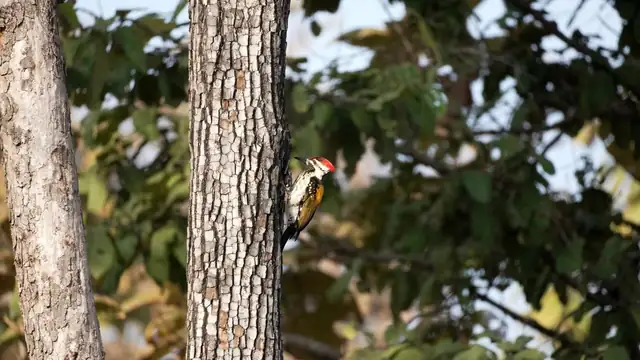
Birds: Over 120 species, including Indian vultures, crested serpent eagle, painted spurfowl and, in season, the Indian pitta.
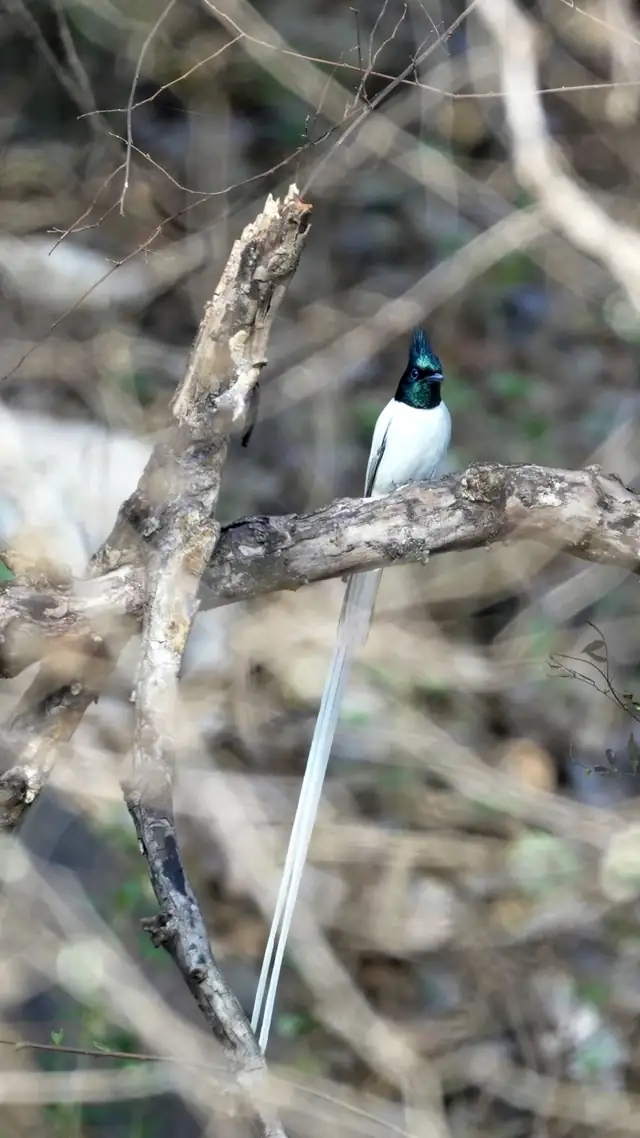
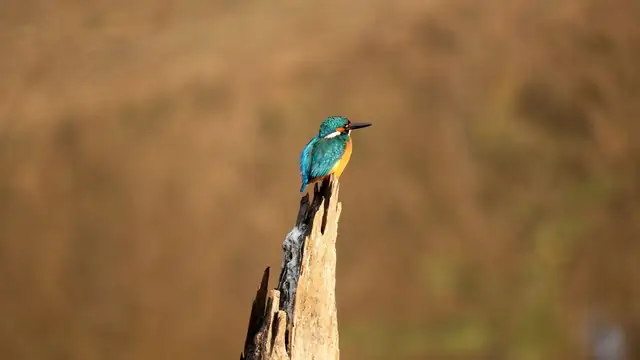
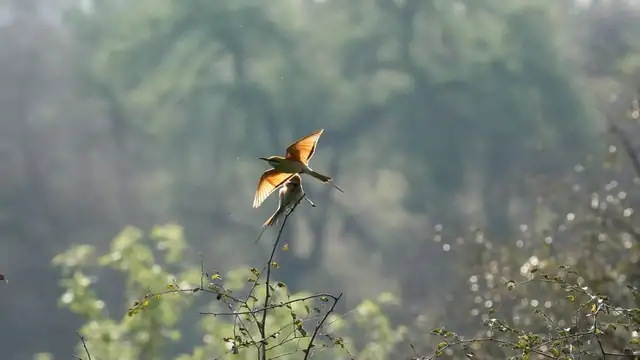
Wildlife of Kuno
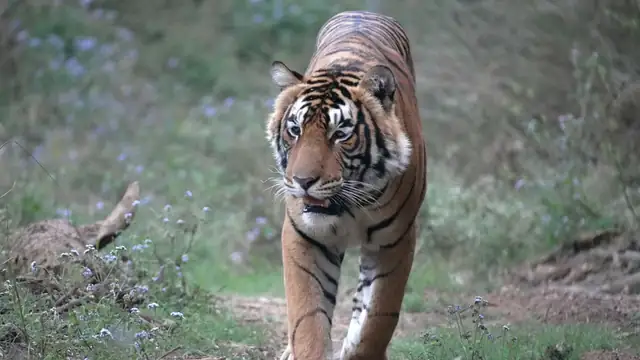
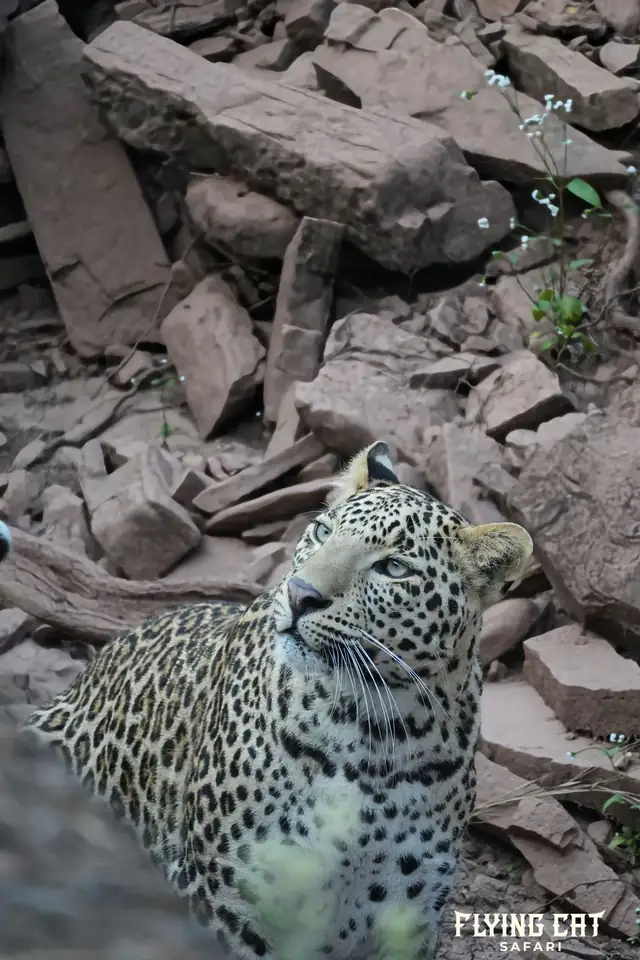
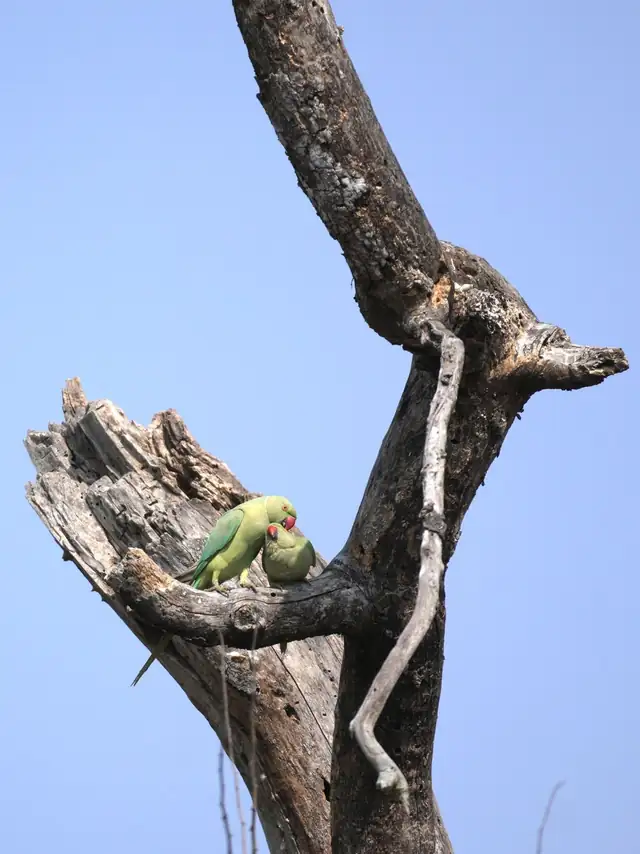
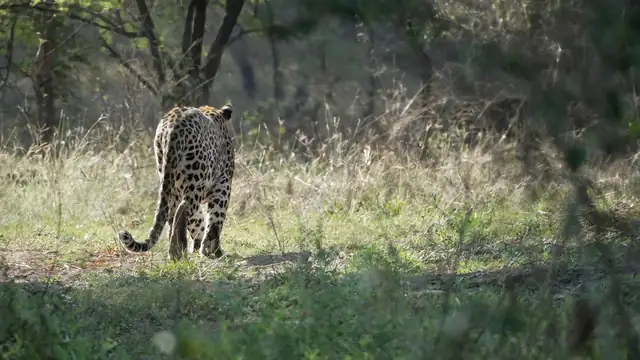
Every photo here was taken by our team on Flying Cat Safari drives in Kuno.
Things to do
Two slots a day from Tiktoli, Ahera or Peepal Bawadi gate.
Riverside ruins of the old Palpur estate inside the park.
Gorges and pools where crocodiles bask.
Our own naturalists follow the latest sightings for each zone.
Travel tips
- Book safaris early for October–March weekends
- Winter mornings are cold in an open jeep; carry layers
- Bring binoculars: cheetahs often rest far out in the grass